
Spa Jet Placement: Seat Fit and Ergonomics
Wrong jet placement can leave an expensive custom spa uncomfortable when its streams miss the seated user. Plan hydrotherapy jet placement by fitting the seat to its users first, then checking where each water stream meets the body in that supported position.
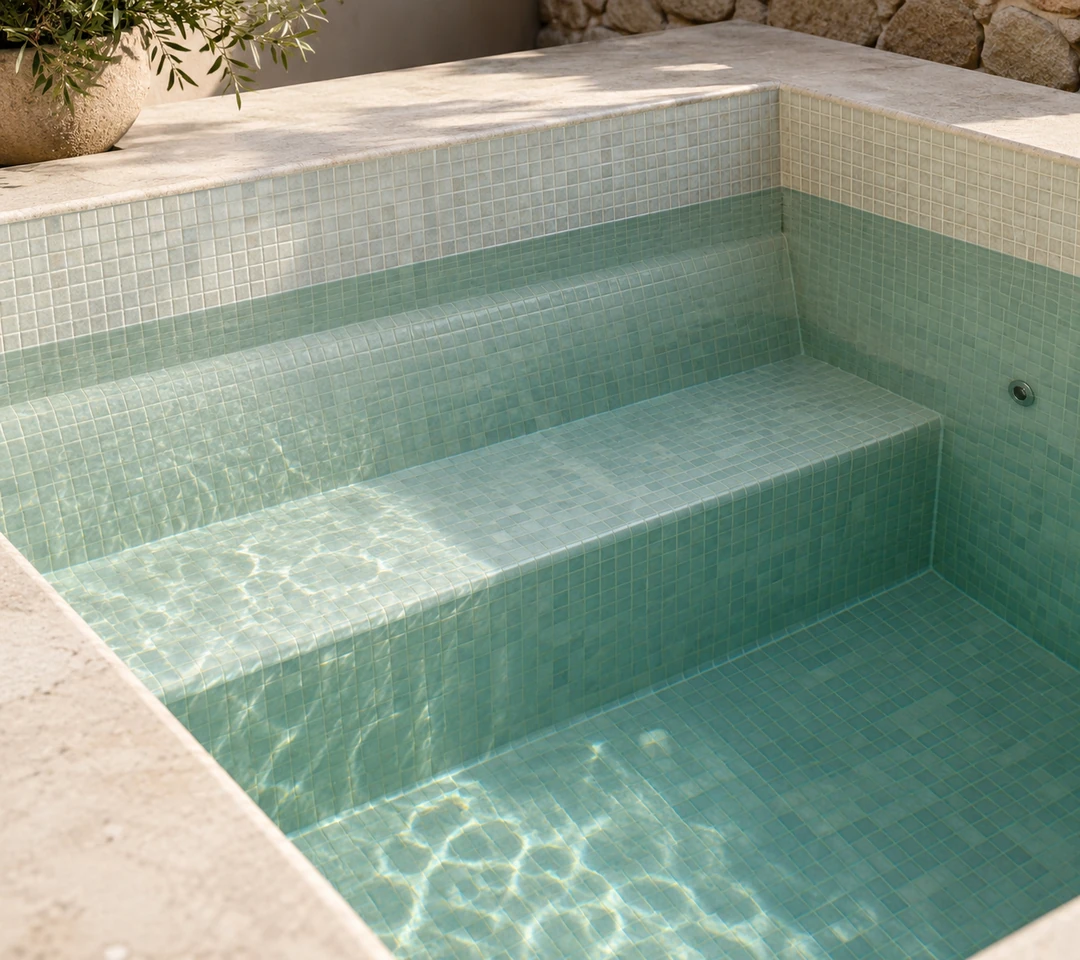
For a recreational concrete spa, jet-placement ergonomics means reviewing the finished seat, the person using it and the selected jet together. Start with a seat section and the intended users; record the contact zones they want, then ask the designer to check the corresponding fittings and operating modes. A label such as “lumbar,” “neck” or “reflexology” does not supply a construction coordinate or demonstrate a health benefit. This guide delivers a seat-fit record for design review, rather than a universal angle, jet height or treatment prescription.
Start with the in-ground spa design overview if the vessel layout is still open. This guide goes deeper into one decision: whether the proposed seat and jet arrangement fits the people expected to use it.
On this page: Seat fit · Contact zones · Operating modes · Construction checks · Seat-fit record · FAQ.
Quick Specs: what inputs does the review need?
Use project records in the value column. The table deliberately has no “typical” seat depth, backrest angle or jet spacing: those entries would obscure the user and fitting differences that the review is meant to expose. Mark an unknown input as unresolved and name the person who will supply it.
| Input or item | Value or source | Why it matters |
|---|---|---|
| Intended users | Owner’s list and individual seat observations | Identifies whose fit is being reviewed |
| Finished seat and backrest | Designer’s section with finish build-up | Establishes the surface the user actually touches |
| Operating waterline | Coordinated vessel drawing | Relates seated posture to the intended water level |
| Desired contact zones | User-marked seat record | Separates a preference from a medical claim |
| Selected jet and controls | Current original installation and performance documents | Connects the proposal to a specific fitting |
| Operating combinations | Hydraulic designer’s schedule | Shows which seats and features run together |
Keep these inputs with the spa construction design brief. A plan view identifies the seat, but the section is where the backrest, waterline and body position can be compared.
Takeaway: Ask for the missing input before accepting a neat-looking jet diagram.
Who needs to fit each seat?
Review the intended users separately before choosing a shared seat profile. Our editorial recommendation is to record who can sit with a supported back, where their feet rest and whether they can change position without leaving the useful contact zone. Do not substitute a headcount or a person’s standing height for that observation.
CCOHS explains that an ergonomic chair has to suit the person, the task and the setting. Its chair-selection guidance highlights seat depth, back support and foot support, and asks that the user try the chair in the actual work situation. That source concerns dry workplace seating; it informs the questions here, not submerged-seat dimensions. Read the original CCOHS chair guidance.
For a spa review, start a separate row for each seat and intended user. Before construction, record the desired resting posture and any support or reach observations from a dry mock-up. Leave actual submerged comfort and stream contact unresolved until they can be observed in the completed spa. If an observation comes from another installation, identify it and note how its seat and fitting differ from the proposal. At commissioning, describe contact in plain language: an illustrative note such as “the stream reaches my shoulder only when I slide forward” is more actionable than “the shoulder seat is bad.”
For users with different proportions, ask the designer to compare alternative seat sections instead of merely adding another jet row to the same bench. A shallower seat, a different backrest or a different foot-support arrangement becomes a candidate to assess, not a promised solution. For guests whose measurements are unavailable, put that limitation in the record and agree how proposed seat options will be reviewed.
Coordinate the seating brief with the pool and spa layout. A comfortable position also needs room to approach, sit and leave without turning another occupied seat into the route.
Takeaway: Record people and postures for each seat, rather than designing for an unnamed average bather.
How do seat depth and backrest contour change alignment?
Read jet locations against the completed seat section. Seat depth here means the usable distance from the supporting back surface to the front seat edge; it is different from water depth over the seat. Record both explicitly, along with the foot-support surface and the backrest shape, before discussing a jet’s height.
Treat the backrest as a profile rather than one angle. In a section, show where the lower back and upper back are expected to meet the surface. Then mark the proposed jet face on that same finished profile. An angle measured from the unfinished shell does not tell the reviewer where the user will sit after the finish assembly is installed.
Ask the user to review whether reaching the backrest leaves a comfortable resting position for the legs and feet. If they move away from the back to find foot support, repeat the contact-zone record in that new position. This is a design-review question, not a claim that a particular submerged posture has been tested as optimal.
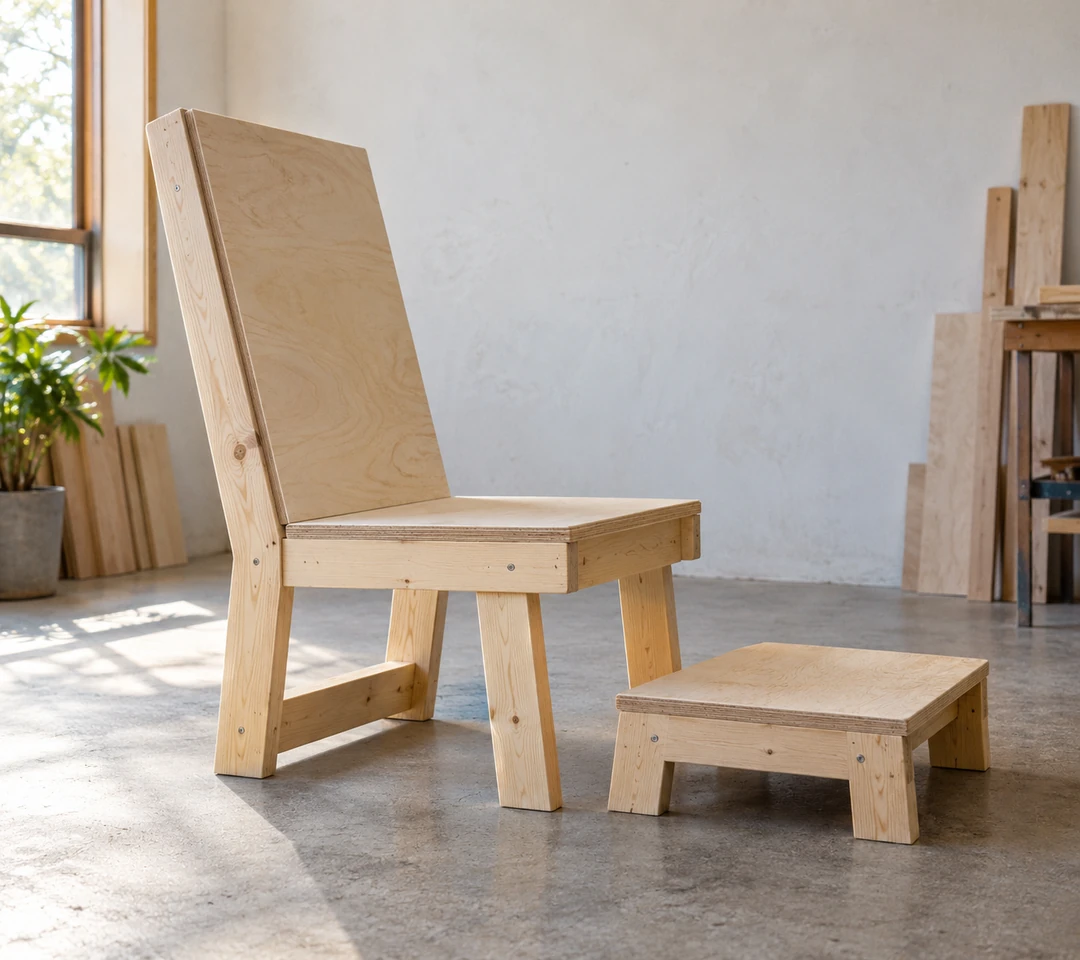
Compare these two review conditions with the same proposed seat and fitting; the illustration does not show tested outcomes.
| Posture condition | What to record | Next review |
|---|---|---|
| Supported posture | Resting back contact and where the feet are supported | Record the desired contact zone against the finished seat and jet face |
| Changed posture | The user moves away from the backrest or changes position to find foot support | Recheck contact; keep predicted contact separate from observed contact at commissioning |
A dry full-size mock-up can help discuss reach, clearance and the shape of the supporting surfaces. It does not establish submerged comfort or the sensation of a running jet. Where an appropriate existing installation is available, ask what its seat and fitting have in common with the proposal before treating an experience there as relevant.
Common mistake: Measuring a jet from the rough shell while judging comfort from the finished bench. Put the finish thickness and completed backrest on the same drawing as the jet face.
Changes to a seat profile belong in the structural and construction review. Do not assume a detail can be moved independently of the shell, reinforcement, waterproofing or fitting assembly.
Takeaway: Recheck the body-to-jet relationship whenever the finished seat or resting posture changes.
Where should back, shoulder and foot jets point?
Use the intended user’s seated contact zones as the starting point for a proposal, then review the fitting’s direction and adjustability. The matrix below is an editorial worksheet: it records comfort preferences and unresolved questions. It is not an anatomical map, an acupuncture chart or a set of medical treatment targets.
A “lumbar jet” label usually tells the owner that the designer intends lower-back contact. It does not prove alignment for that owner’s posture. Likewise, a “neck jet” label leaves unanswered whether the person has to lift the shoulders, bend the head or move away from the supporting backrest to meet the stream. Ask for the observation, not just the name.
Use the matrix in two stages: before construction, record the desired or predicted contact and the basis for that proposal; at commissioning, add observed contact with the user, seat and operating mode identified. A dry mock-up supplies support and reach observations, not running-water results.
| Proposed contact zone | Record for the intended user | Question for the designer |
|---|---|---|
| Lower-back area | Desired contact in the resting posture; later, observed stream contact | Can direction or placement be reviewed without changing the supported posture? |
| Upper-back or shoulder area | Desired contact with shoulders relaxed; later, observed contact | Does the proposed seat keep that contact when the user rests naturally? |
| Feet | Intended foot support and stream reach; later, observed contact | Does the contact arrangement leave a clear route to stand and exit? |
| Quiet seated position | Preferred position with massage jets off | Can the user choose that mode with the proposed controls? |
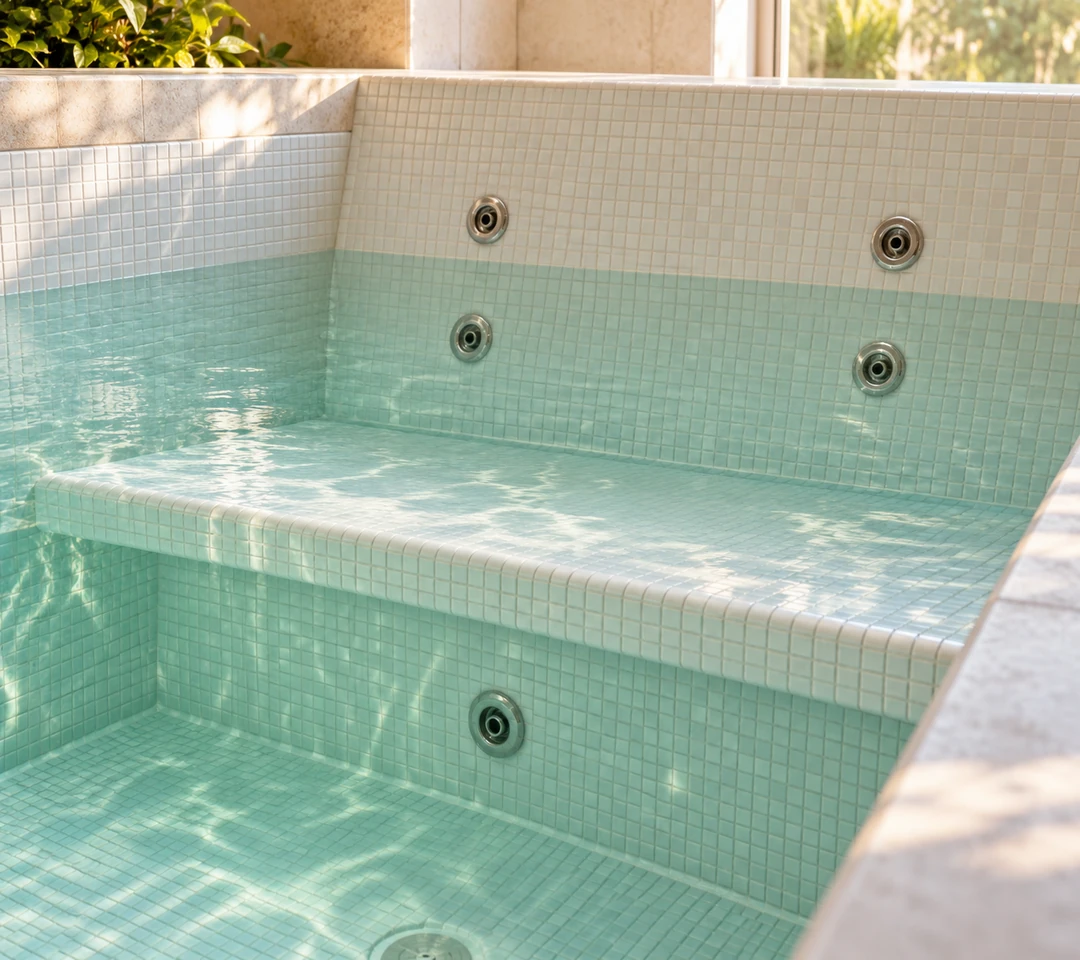
For a shoulder proposal, ask where the stream is expected to land with the head in a comfortable resting position. For a foot proposal, record whether the user intends to keep the feet supported or move them into a separate stream. Avoid promising that a stream aimed at a location associated with a “reflexology” diagram treats another part of the body.
Keep suction safety separate from this contact map. CPSC’s Pool Safely advice warns users to stay away from drains and suction outlets and not enter a spa with a loose, broken or missing drain cover. Its guidance also asks spa users to locate the emergency vacuum shutoff before entry. A massage return jet and a suction outlet serve different functions.
Use the pool and spa safety review alongside the ergonomic record. Do not use a drain cover, grate or suction opening as a positioning aid while assessing where a foot stream should land.
Takeaway: Put contact preferences on the drawing without turning body-region labels into treatment claims.
How do jets and controls affect the same seat?
Specify the fitting and intended operating combinations before judging the layout by jet count. The designer needs the selected jet’s original flow and pressure information, its installation requirements and the planned controls. A row of circles on a drawing does not show what the user can adjust or which jets operate together.
Waterway’s original jet worksheet asks for jet type, quantity and orifice size, then uses performance information to establish the target flow and pressure. This is evidence for a selection method, not evidence that every jet needs the same flow. Its jet FAQ also distinguishes flow information by jet type.
Our review recommendation is to add the following operating notes to each seat’s contact record. Leave an adjustment field blank only if the designer has confirmed that the selected fitting has no such adjustment.
| Operating question | Record to request | What the owner checks |
|---|---|---|
| Can the stream direction change? | Selected fitting’s permitted adjustment | Whether adjustment reaches the preferred contact zone |
| Can its intensity be adjusted? | Control function and permitted settings | Whether the user can choose a comfortable setting |
| What runs at the same time? | Seat and feature operating schedule | Whether the reviewed mode represents intended use |
| Who can reach the control? | Control location on the plan | Whether operation requires leaving the supported position |
| How is the fitting serviced? | Original service instructions and access detail | Whether finishing conceals a required service point |
Take the fitting records to the pool and spa equipment review. Pipe layout, hydraulic losses and equipment selection remain the hydraulic designer’s work; this worksheet records the mode the owner wants reviewed.
Common mistake: Adding jets to correct a fit problem before checking where the existing streams land. Separate “the seat does not fit,” “the stream misses” and “the chosen setting feels wrong” in the record; they are different questions.
Takeaway: Compare a specified seat in a named operating mode, rather than comparing counts alone.
What should be checked before the shell is finished?
Review seat geometry, fitting details and drawing revisions together before work conceals them. Ask the designer and builder to name the checkpoints for the selected construction method. An original gunite-jet installation manual separates fitting placement, pressure testing and finished-wall assembly; that sequence is a reason to request the correct manual, not to copy its dimensions into every spa.
For the construction planning discussion, bring a marked section, the selected fitting documents and a list of outstanding owner preferences. Ask who approves each change and which related drawings will be revised. A verbal instruction to “put the jets higher” leaves the reference surface, affected seat and intended user unclear.
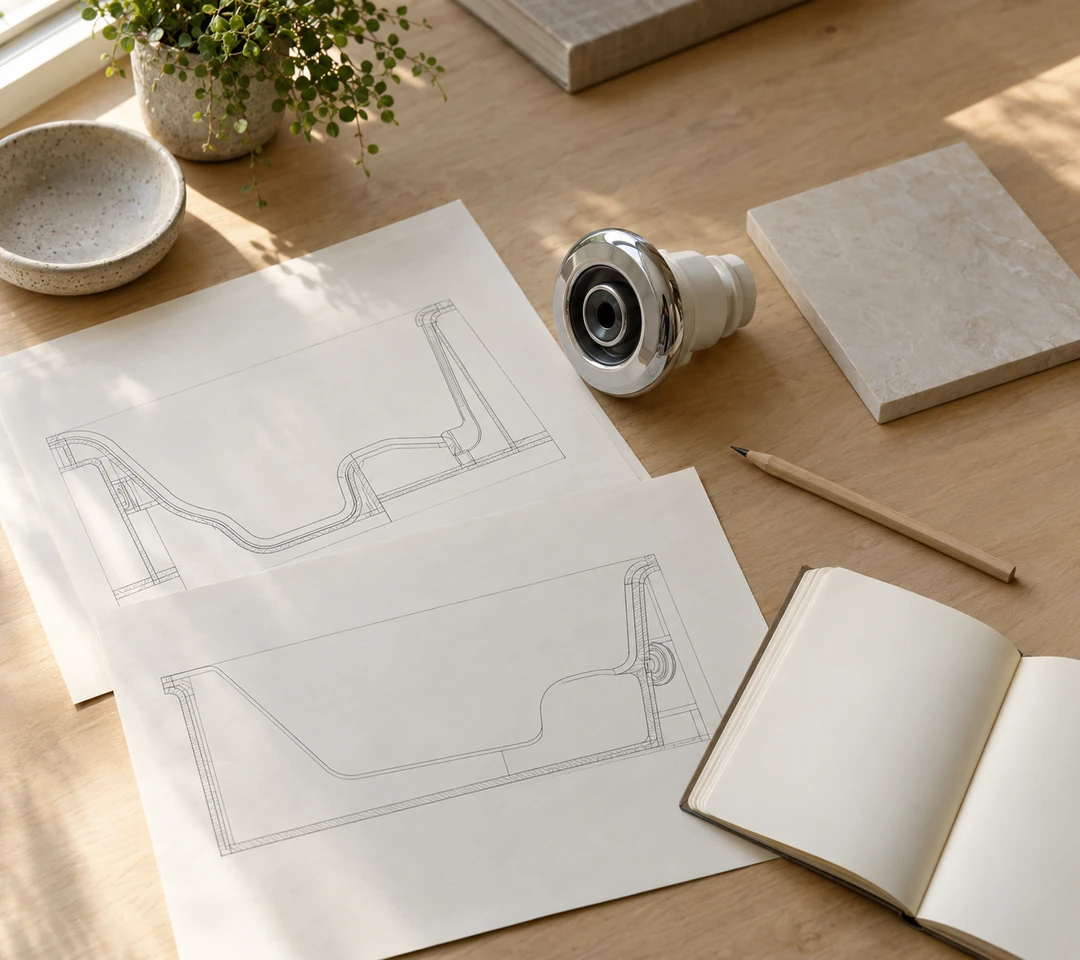
Carry the review into handover in this editorial sequence:
- Seat fit: identify the user and supported resting position on the finished seat section.
- Contact record: note desired back, shoulder or foot contact; leave actual stream contact unresolved before observation.
- Fitting documents: obtain the selected jet’s current original instructions and performance references.
- Coordinated drawings: reconcile seat, fitting and finish references with the approved revision.
- Commissioning notes: record actual contact for the identified user, seat and running mode, and retain the notes at handover.
This sequence organizes editorial review; it is not an installation standard.
| Review stage | Record to keep | Question to resolve |
|---|---|---|
| Seat proposal | Finished section and user observations | Is the intended resting position understood? |
| Fitting selection | Current original instructions and performance data | Does the proposed jet suit the intended use and assembly? |
| Before concealment | Approved revision and builder’s checks | Are seat, fittings and finish references coordinated? |
| Commissioning | Operating mode and user contact notes | Does observed contact match the agreed preference? |
| Handover | Control instructions and service information | Who reviews later changes or recurring problems? |
At commissioning, record the seat, user, control settings and other running features before describing a problem. Add observed stream contact beside the design-stage target; do not overwrite the target or present a predicted result as an observation. If the stream misses, review alignment and posture. If the position fits but the setting is uncomfortable, record that separately for the installer. Do not adjust suction covers or improvise fitting modifications as part of a comfort check.
Keep operating and service notes with the pool and spa maintenance record. They help a later technician distinguish a new condition from a preference documented at handover.
Takeaway: Keep the approved geometry and the observed operating mode in the same record.
When this does not apply
This worksheet covers recreational spa design discussions, not clinical hydrotherapy or treatment planning. It supplies no diagnosis, pressure prescription, session duration or assertion that a jet position improves a medical condition. If a design is being proposed for a specific clinical purpose, that purpose needs separate professional assessment and appropriate supporting evidence.
It also does not determine structural adequacy, waterproofing details, electrical installation, suction-system compliance or water hygiene. A contact map cannot approve any of those systems. The original selected fitting’s requirements and the project’s professional review govern the installation decisions.
Public facilities and users with access needs require a separate access and operational review. A seat that someone can occupy does not establish that they can safely reach it, transfer into it or leave it. Use the commercial pool and spa planning guide to frame the operator’s brief, then have the relevant project professionals confirm applicable requirements.
For an existing spa, a comfort observation is not permission to drill a shell, remove a fitting or change a pump. Give the record to the responsible installer. The remedy depends on the installed assembly and its condition.
Takeaway: Use the worksheet to describe a fit problem; keep medical, access and installation approvals separate.
What should the seat-fit record contain?
Give each proposed seat a name on the drawing and keep one record per user and operating mode. Start with observations, add the design response, then record what still needs confirmation. This makes the handover useful even when the initial review cannot settle a preferred position.
| Field | What to write | Useful format |
|---|---|---|
| Seat and user | Drawing identifier and intended user | Annotated plan; user name or agreed identifier |
| Resting posture | Back contact, foot support and position changes | Notes beside the finished section |
| Review stage and basis | Design proposal, dry mock-up, another installation or this spa at commissioning | Stage label and identified observation source |
| Desired or predicted contact | Body region and the basis for the design target | Marked sketch, without medical-point labels |
| Observed contact at commissioning | Actual stream contact for the identified user, seat and running mode; unresolved before observation | Dated notes kept beside the design target |
| Fitting and mode | Selected jet document and running features | Document reference and mode name |
| Controls | Reach and available adjustment | Control note on the plan |
| Unresolved item | Question, responsible person and review status | Open-item list with drawing revision |
Use a clear description for each unresolved item. “Lower-back contact is lost when the feet rest comfortably” requests a coordinated seat-and-jet review. “The same seat feels different when the adjacent seat is on” requests a review of the operating combination. Neither observation identifies a defective component on its own.
Check the editorial policy for how this journal separates published sources from interpretation. Then take the completed record to your designer; the next useful output is a reviewed seat section and fitting schedule, not a longer shopping list of massage labels.
Takeaway: End the review with an identified question, a named reviewer and a current drawing.
FAQ
What is hydrotherapy in a spa?
Hydrotherapy is the use of water as a treatment method; Cleveland Clinic’s overview includes baths and pressurized jets within that term. This recreational-spa guide addresses where jet streams meet a seated user. Neither the label nor this worksheet demonstrates a health benefit or replaces clinical treatment planning.
What is a good number of jets for a hot tub?
No single number is right for every hot tub, and this worksheet does not recommend one. Record the intended contact zones, selected fittings and running combinations first. The designer can then review that arrangement against the fitting data. A higher count alone leaves body fit, adjustability and the operating mode unanswered.
Should hot tub jets always be on or off?
Neither as a fixed rule: run them as the installed system’s operating instructions describe. The comfort review should identify the mode being assessed, including whether massage jets are active; it does not set filtration or sanitation schedules. If a control’s function is unclear, ask the installer before using it for the assessment.
How high should the water be in a jacuzzi?
Fill to the specified operating waterline for the actual spa. For this review, mark that line on the finished seat section and record how it relates to each intended user. Do not transplant a generic fill-line answer from a portable model into a custom concrete vessel.
How much space do you need around a spa?
There is no universal clearance figure; it depends on the project. Ask for the project’s access, circulation, control and service requirements and review them with the seating layout. Footwell space inside the vessel and deck space outside it are separate questions; both belong on coordinated drawings.
We just discovered the spa jets were placed at the incorrect height and shotcrete was poured today. Contractor says they can fix it. Should we be concerned?
Yes, enough to treat it as a design change rather than a routine touch-up. Ask for a written proposed repair and revised fitting detail before agreeing to the change. Have the responsible project professionals review the shell, fitting and finish interfaces that it affects. The timing alone cannot establish that a repair is acceptable or unacceptable; the original design and proposed method matter.
Method and sources
This page is a public-source synthesis plus an editorial review worksheet. It contains no project test, measured performance result or medical-benefit claim. The four photo-style images are AI-generated illustrations, not photographs of an actual project, measured results or construction drawings, and they imply no construction dimensions. The CCOHS reference concerns dry seating and supports general fit questions only; it is not a submerged-seat standard.
Sources accessed 8 October 2026:
- CCOHS: Office Ergonomics — Ergonomic Chair: general seating fit and user selection, not spa specifications.
- Waterway: Jet Worksheet Fluid Dynamics: original fitting-selection inputs and performance references.
- Waterway: Jets FAQ: jet-specific flow information; no listed numerical value is adopted here.
- Waterway: Poly Storm thread-in gunite jet installation instructions: an example of a model-specific installation sequence, not a universal detail.
- CPSC Pool Safely: Safety Tips: drain and suction-outlet precautions.
- Cleveland Clinic: Hydrotherapy, updated 23 May 2022: terminology only; no treatment outcome or prescription is adopted here.
The last FAQ responds to a homeowner’s misplaced-jet question. That post establishes the question, not the safety of a repair; community replies are not used as technical evidence.
Related reading
- In-ground spa design — settle the vessel, seating and cover brief before the detailed fit review.
- Architectural spa construction guide — identify the responsibilities and project inputs for shell and hydraulic design.
- Pool and spa equipment — organize the equipment discussion after contact preferences are recorded.